
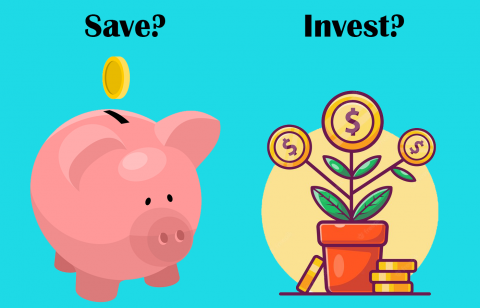
When it comes to building long-term wealth, one of the most common financial questions people ask is: Should I save my money or invest it? Both saving and investing play important roles in personal finance, but they serve different purposes. Understanding the difference between the two can help you make smarter decisions and achieve financial security over time.
Understanding Saving
Saving refers to setting aside money in safe and easily accessible places, such as savings accounts, fixed deposits, or cash reserves. The main goal of saving is financial safety and liquidity.
Purpose of Saving
Saving is primarily meant for short-term needs and emergencies. It helps you handle unexpected expenses like medical bills, car repairs, or temporary job loss without going into debt.
Benefits of Saving
Saving offers stability and peace of mind. Your money is generally safe, low-risk, and easily available when needed. It is ideal for building an emergency fund or planning short-term goals.
Limitations of Saving
The biggest drawback of saving is low returns. Savings accounts usually offer interest rates that may not keep up with inflation, meaning your money’s purchasing power can decrease over time.
Understanding Investing
Investing means putting your money into assets such as stocks, bonds, mutual funds, or real estate with the goal of growing your wealth over time. Investing focuses on long-term financial growth.
Purpose of Investing
The main purpose of investing is to increase the value of your money and build wealth for long-term goals such as retirement, buying a home, or financial independence.
Benefits of Investing
Investing offers the potential for higher returns compared to saving. Over the long term, investments can benefit from compound growth, allowing your money to grow faster.
Risks Involved in Investing
Unlike saving, investing involves risk. Market fluctuations can cause short-term losses, but historically, long-term investments tend to recover and grow if managed wisely.
Key Differences Between Saving and Investing
Risk Level
Saving carries very low risk, while investing involves varying levels of risk depending on the asset type. Higher risk often comes with the potential for higher returns.
Time Horizon
Saving is best for short-term goals, while investing is more suitable for long-term goals. The longer your time horizon, the more investing makes sense.
Returns and Growth
Savings provide steady but limited growth. Investments, although volatile in the short term, usually offer better returns over long periods.
Which One Is Better for Long-Term Wealth?
The Role of Saving in Long-Term Planning
Saving is essential as a foundation. Before investing, you should have an emergency fund covering at least a few months of expenses. This protects you from financial shocks.
The Role of Investing in Wealth Creation
For long-term wealth, investing is generally more effective. Investments help your money grow faster and beat inflation, which is crucial for maintaining purchasing power over decades.
Finding the Right Balance
The best strategy is not choosing one over the other, but using both wisely. Saving provides security, while investing drives growth. Together, they create a strong financial plan.
How to Decide What’s Right for You
Consider Your Financial Goals
Short-term goals like vacations or emergency funds are better suited for saving. Long-term goals such as retirement or wealth building are ideal for investing.
Assess Your Risk Tolerance
If you are comfortable with market ups and downs and have time on your side, investing can be a powerful tool. If stability is your priority, saving should play a bigger role.
Start Early and Stay Consistent
Starting early allows you to take advantage of compound growth. Consistency in saving and investing is more important than timing the market.
Common Mistakes to Avoid
Saving Too Much Without Investing
Keeping all your money in savings can limit growth and reduce long-term wealth due to inflation.
Investing Without a Safety Net
Investing without an emergency fund can force you to sell investments at the wrong time. Always build savings first.
Conclusion
Saving and investing are both essential components of a healthy financial strategy, but they serve different purposes. Saving provides safety, stability, and quick access to cash, while investing helps grow your money and build long-term wealth. For most people, the smartest approach is a balanced one—save for emergencies and short-term needs, and invest for long-term goals. By understanding when to save and when to invest, you can create a strong financial future with confidence and clarity.





Leave a Reply